
How a Modern Las Vegas Residency Makes Money: The Guarantee, the Four-Wall, and the Room as Marketing
A residency deal answers one question in three different ways: who carries the risk if the seats do not sell? Published trade reporting puts the guarantee, the rent-the-room deal and the split on the record. The figures that stay private stay private, and this piece does not invent them.
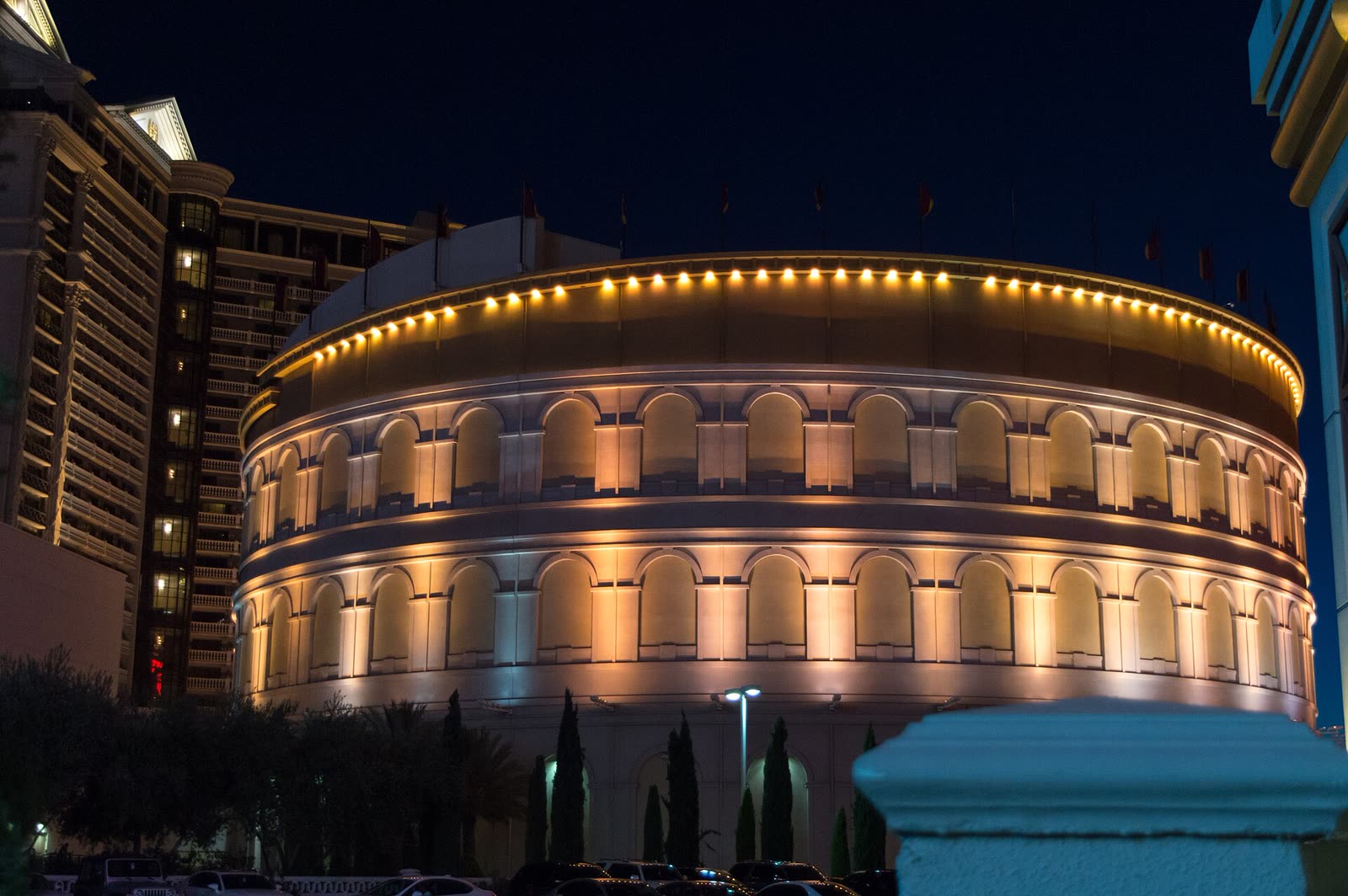
Every Las Vegas residency is the same product sold under a different risk arrangement: one performer, one room, a block of dates, an audience that travels to the show instead of a show that travels to the audience. What changes from deal to deal is who loses money on a slow Tuesday. Trade reporting over the past two decades describes three basic structures. Most real contracts are hybrids, and most are covered by non-disclosure terms, a point sources in the business make themselves.
Structure one: the guarantee
Under a guarantee deal, the venue or promoter pays the artist a fixed fee per show or per week, regardless of ticket sales. The payer keeps the box office and carries the risk. If the room sells out, the payer profits beyond the fee. If it does not, the artist is paid anyway.
The guarantee is the old Las Vegas structure, because the old Las Vegas buyer was not really buying ticket sales. A casino paid a headliner to bring gamblers into the building. Las Vegas Advisor's explainer on four-walling, drawing on former Las Vegas Review-Journal entertainment writer Mike Weatherford, identifies the Wynn's deal with Garth Brooks, whose residency ran 187 shows from 2009 to 2014, as possibly the last of the old model: a guarantee so large that ticket sales alone did not cover it, justified by expected casino play and by the standing the booking conferred.
The clearest published modern figure sits between the models. Pollstar-compiled reporting on Céline Dion's second Colosseum residency put her fee at $500,000 per show. The room held 4,100 seats. At those two published numbers, an editor can do the arithmetic a producer does: the fee alone required the box office, before production costs, to clear half a million dollars a night. Her first residency in the same room grossed $385 million over 717 shows, which is why Caesars was willing to write the second contract.
Structure two: the four-wall
In a four-wall deal, the producer rents the room. The producer pays rent and the show's operating costs — cast, crew, production, marketing as negotiated — and keeps the ticket revenue. The casino is a landlord. It takes its rent, keeps its own gaming, food and beverage income from the audience the show delivers, and carries almost no box-office risk.
Las Vegas Advisor, citing Weatherford, reports that some variation of rent-the-room has become the norm, and that Caesars Entertainment moved its entertainment operation to that basis, with AEG Live operating the Colosseum as the tenant-side presenter. The same explainer quotes producer David Saxe, who has produced more than 100 Las Vegas shows, estimating that only about 10 percent of four-walled shows make money, and notes that contracts in this world typically include non-disclosure clauses. That combination, a risky structure and secret terms, is why most published residency figures are grosses, not profits. A gross is announced by the people it flatters. A settlement sheet is not.
Four-walling also runs at the small end of the market. A producer with a 200-seat room, a cast paid weekly and a rent bill has the same structure as a Colosseum tenant, with fewer zeroes and less room for error. The risk did not disappear when casinos stopped writing guarantees. It moved to the producer.
Structure three: the split, and the promoter in the middle
Between the guarantee and the four-wall sits the split: a guarantee against a percentage of the box office, or a shared split of net receipts after agreed costs. Concert-industry deal reporting describes the standard mechanics. The artist is paid a guarantee versus a percentage of net box office receipts, whichever is greater, with the percentage calculated after off-the-top deductions such as taxes, facility fees and card charges. The venue typically retains food and beverage concessions and takes a commission on merchandise, commonly reported in the 20 to 25 percent range at large rooms.
In Las Vegas, the promoter is often the hinge. Business Traveller's history of the residency business notes that the modern market is dominated by two companies, Live Nation and AEG Presents. A promoter of that scale can take the risk a casino no longer wants, pay the artist's guarantee, rent or operate the room, and keep the spread. The casino still gets the audience. The artist still gets paid. The promoter owns the difference between the guarantee and the gross, in either direction.
Dynamic pricing: the fourth variable
Whichever structure a deal uses, the box office it splits is no longer a fixed price list. Residency tickets are priced dynamically: prices move with demand by date, by section and by remaining inventory, so a Saturday in a holiday week and a Wednesday in a slow month are effectively different products. The published grosses show the effect at the top of the market. U2's Sphere residency was reported at $244 million from 40 shows, an average above $6 million per performance, in a room where premium pricing, not a long run, did the work. Dion's first Colosseum run made its $385 million the opposite way: 717 performances at a top ticket reported by Billboard at $235.
Neither number is a profit figure. Both are the numerator every deal structure divides.
The room as marketing
The oldest line in Las Vegas still applies, and it explains why casinos sign deals that look thin on ticket arithmetic alone. A residency puts a name on a marquee, in an airport corridor and in the travel pages for months at a time. It gives a resort a reason for a specific customer to choose that building over the one next door, and it delivers that customer, on a schedule, at dinner-and-a-show hours. In the guarantee era the casino paid for that effect directly and called the loss leader entertainment. In the four-wall era the producer pays rent for access to the same effect, and the casino collects it in gaming, rooms, food and beverage without holding the show's risk.
That is the whole modern structure in one sentence: the artist sells certainty, the promoter sells risk management, the producer buys upside, and the casino sells the room twice, once to the show and once to the audience the show brings in. The deals differ. The building gets paid in every version.